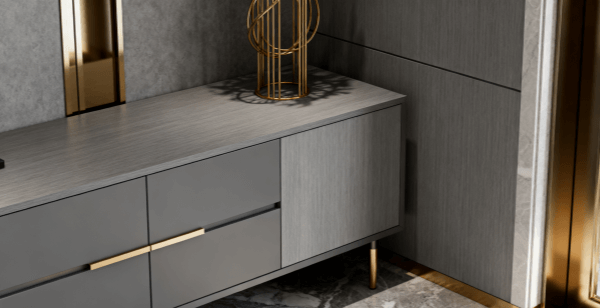
Selecting the right Medium-Density Fiberboard (MDF) is essential for crafting durable, aesthetically pleasing furniture. With various grades, densities, and features available, this guide outlines key factors to consider, ensuring your furniture stands the test of time while optimizing for cost and functionality.
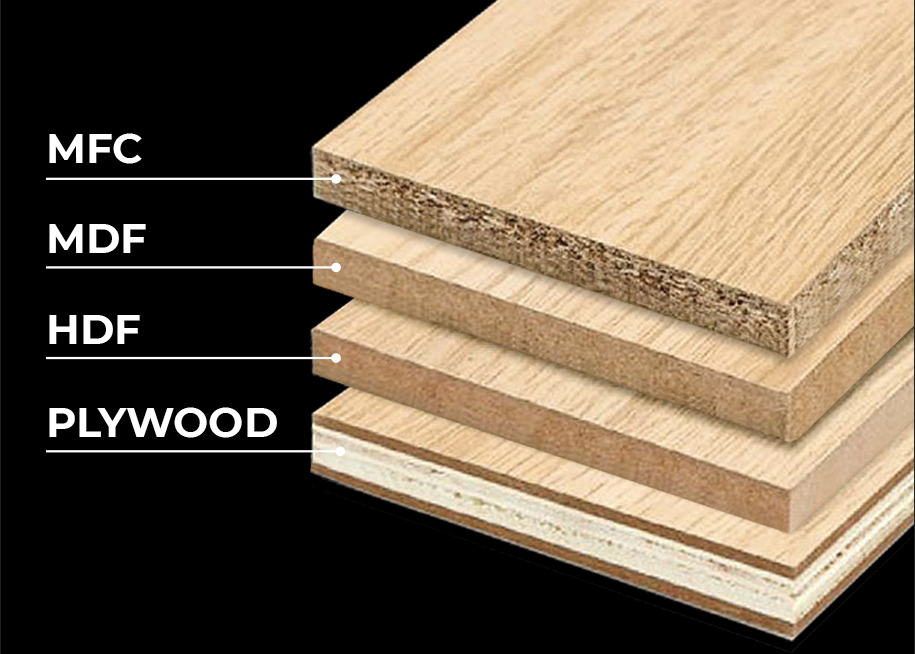
Comparison of MDF, HDF, plywood, and other materials for furniture selection.
Key Factors in Choosing MDF
- Density and Grade: Higher density MDF (800+ kg/m³) offers better strength for load-bearing furniture like tables or cabinets. Look for machining-grade MDF for smooth finishes, or moisture-resistant types (e.g., Medex) for kitchens.
- Thickness and Size: Match thickness to the project’s needs—18mm for sturdy shelves, 12mm for lighter components. Ensure sheets are uniform to avoid warping.
- Environmental and Quality Certifications: Prioritize CARB P2 or FSC-certified MDF for low emissions and sustainability. Check for even surfaces and no defects.
- Moisture Resistance and Durability: For humid areas, choose moisture-resistant MDF to prevent swelling. Painted MDF enhances longevity.
- Workability and Finish: Opt for MDF with fine fibers for easy cutting and painting. Test samples for screw hold and edge quality.
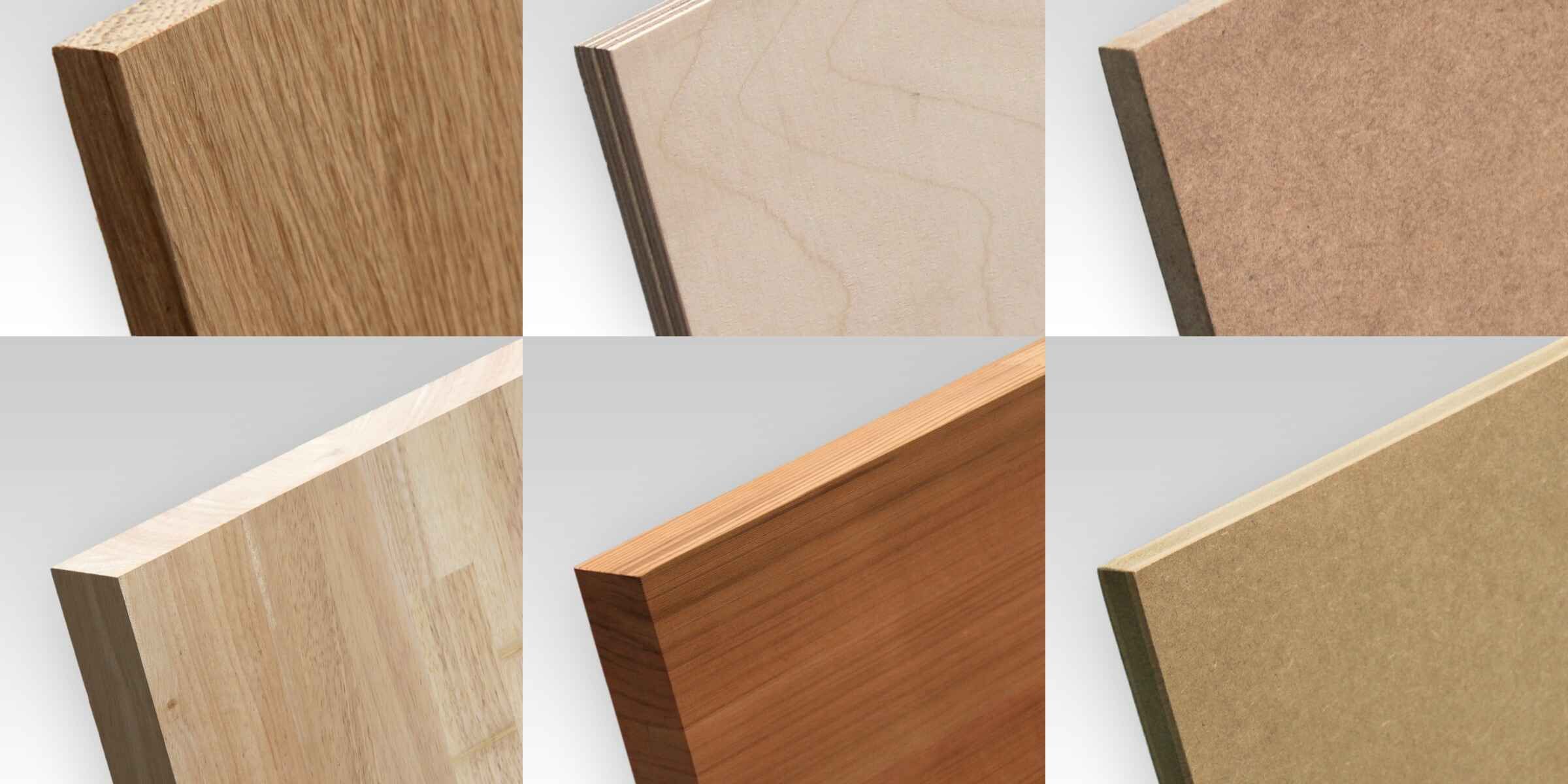
Different types of MDF edges and finishes for furniture projects.
Tips for Superior Furniture Outcomes
- Compare with alternatives like plywood for high-traffic areas.
- Source from reputable brands like VIR MDF for consistent quality.
- Laminate surfaces for added scratch resistance.
By focusing on these criteria, you’ll create furniture that’s not only functional but also enduring and eco-friendly.